

Skip to navigation Skip to content
codingclub.cc
  • Explore Coding Club
    • Child and Youth Membership
    • School Partnerships
    • Live-Online Courses
    • Camps
  • About Us
  • Join Us
  • Support
    • Onboarding
    • Troubleshooting
    • Frequently Asked Questions
  • Parents Login
  • Explore Coding Club
    • Child and Youth Membership
    • School Partnerships
    • Live-Online Courses
    • Camps
  • About Us
  • Join Us
  • Support
    • Onboarding
    • Troubleshooting
    • Frequently Asked Questions
  • Parents Login
  • 0,00 € 0 items
Home / CC Activities / CC Camps / Live-Online Robot Camp – With hardware set rental

Live-Online Robot Camp – With hardware set rental

252,00 € – 360,00 €

plus shipping
Delivery Time: not specified
  • Forenoon 09:00 - 11:00
  • Afternoon 15:00 - 17:00
  • 1st Child
  • 2nd Child
  • 3rd Child
Clear

Gift this education activity

Do you feel this product is perfect for a birthday or another family? You can buy a gift card for this item!

Gift this education activity

Choose your image

Or Upload your image >

Delivery info

RECIPIENT'S INFO
+ add another recipient
YOUR INFO
Want a discount? Become a member by purchasing Child and Youth Membership – Monthly, 1st-child, Child and Youth Membership – Monthly, 2nd-child, Child and Youth Membership – Monthly, 3rd-child, Child and Youth Membership – Yearly, 1st-child, Child and Youth Membership – Yearly, 2nd-child or Child and Youth Membership – Yearly, 3rd-child!

SKU: N/A Categories: Age 8 - 12, CC Activities, CC Camps, CC Live Online, Rentals Tags: Foto-Video, Live Online, Robotics, School-Account
  • Description
  • Services: Live Online Coding Club @ Home
  • Core Concepts
  • Objectives
  • Onboarding / How to Start
  • Learning Materials we use

This online based learning activity is available in the forenoon or afternoon second week of the winter holidays. An experienced tutor engages live the students working from home in a digitale collaboration space like Microsoft Teams. Our aspiration is to work with a small group of up to 6 students to provide a valuable experience for everyone.

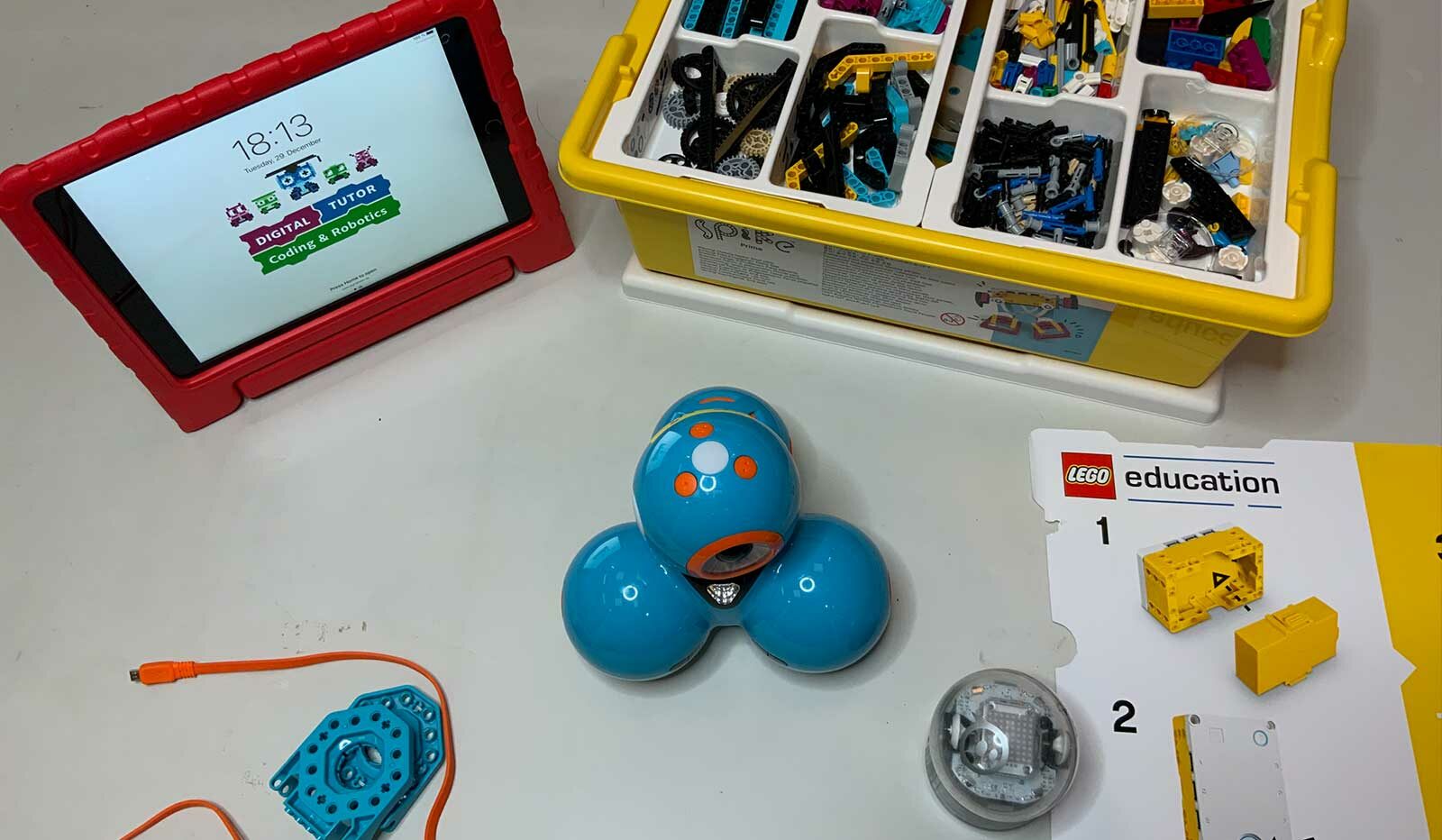
In order to work with the robotics materials, the course includes a rental service for the duration of the course:

– School iPad with preinstalled apps
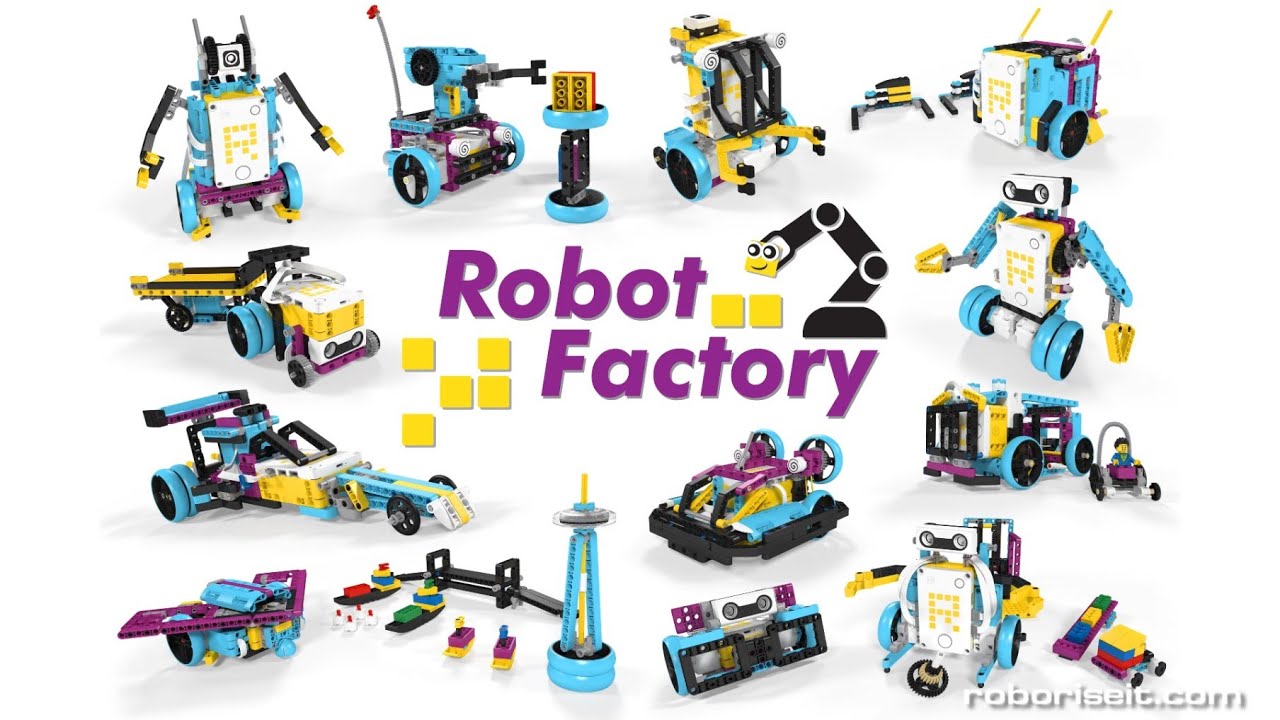
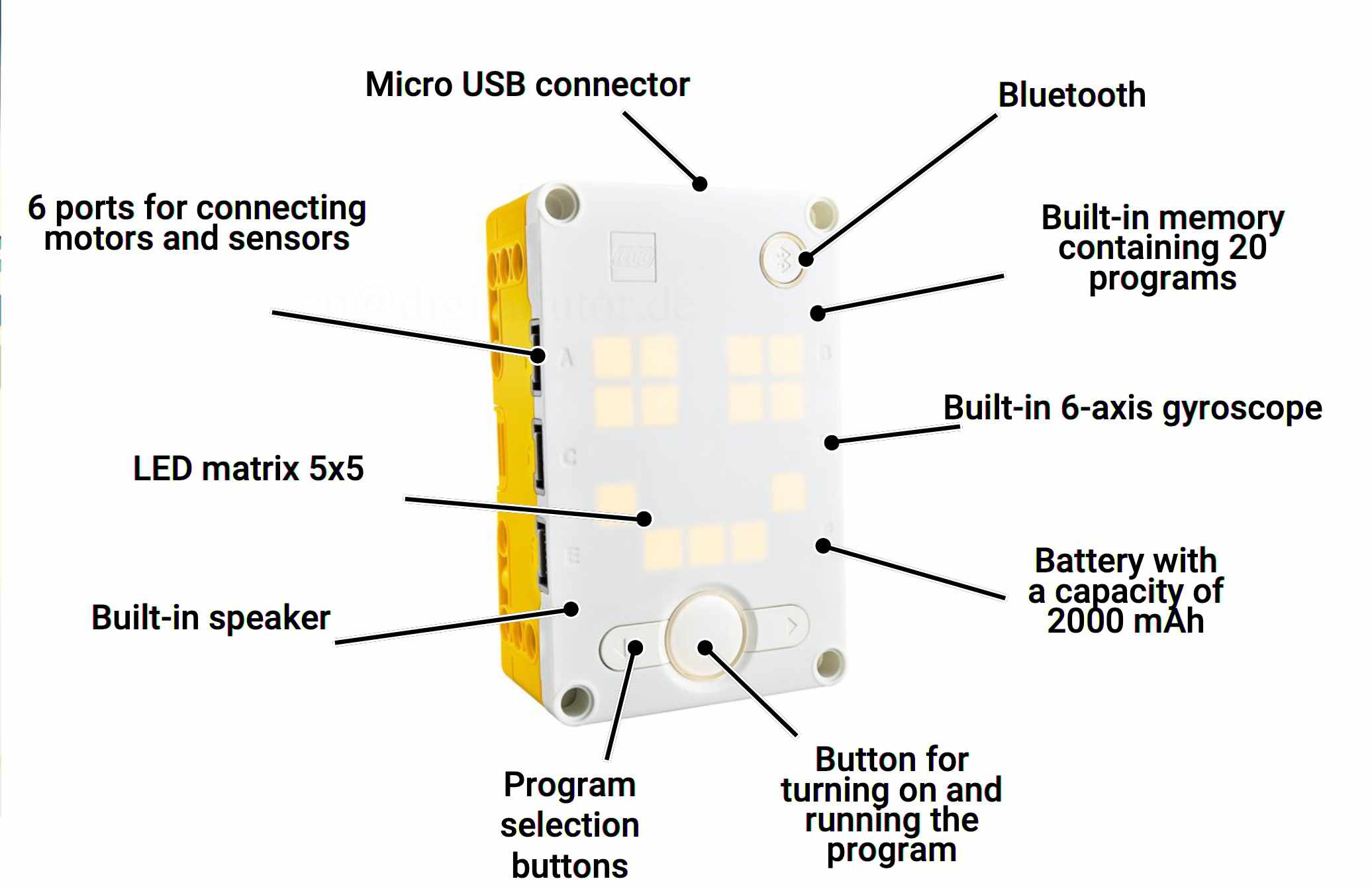
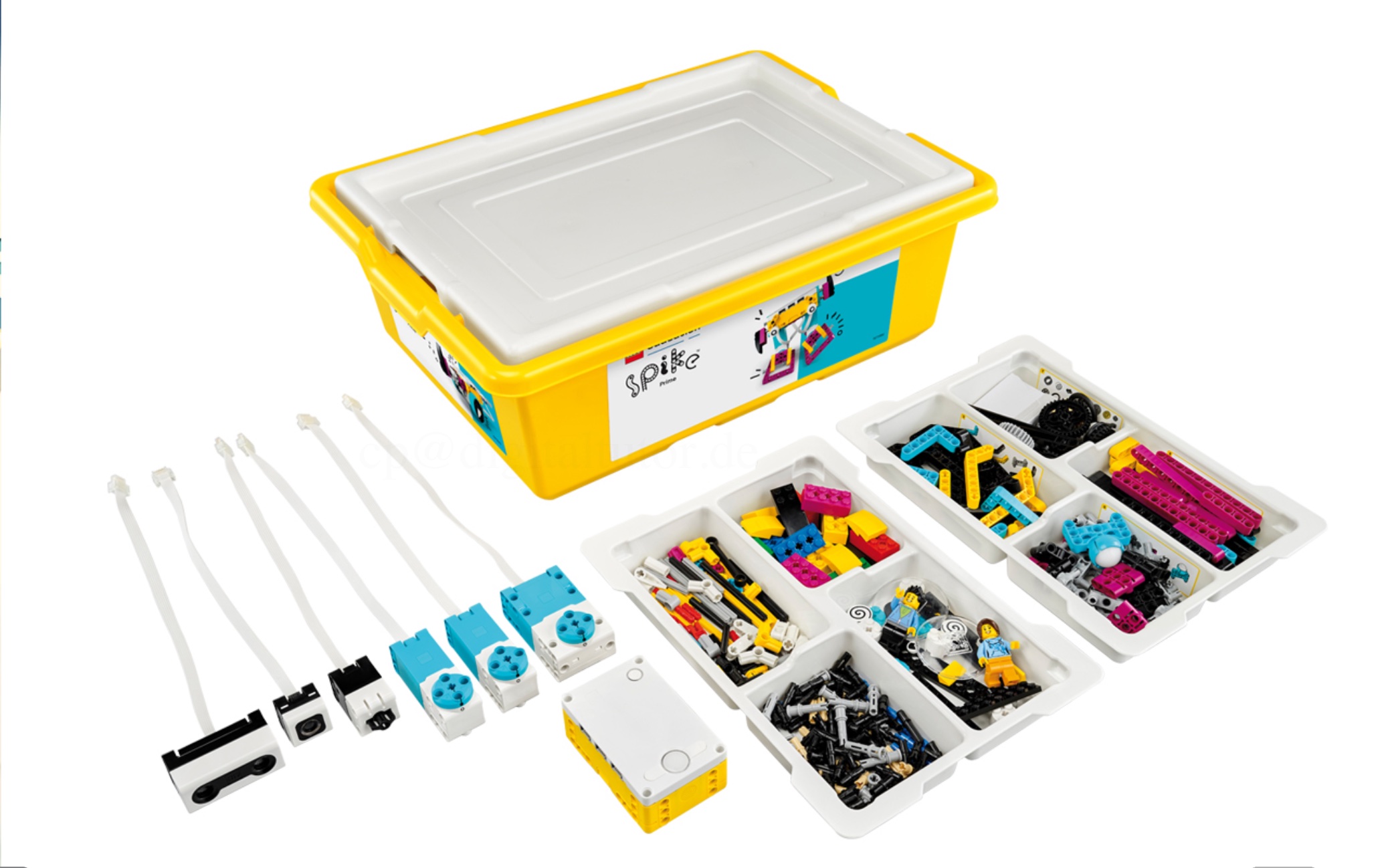
– LEGO Spike Prime Education Set
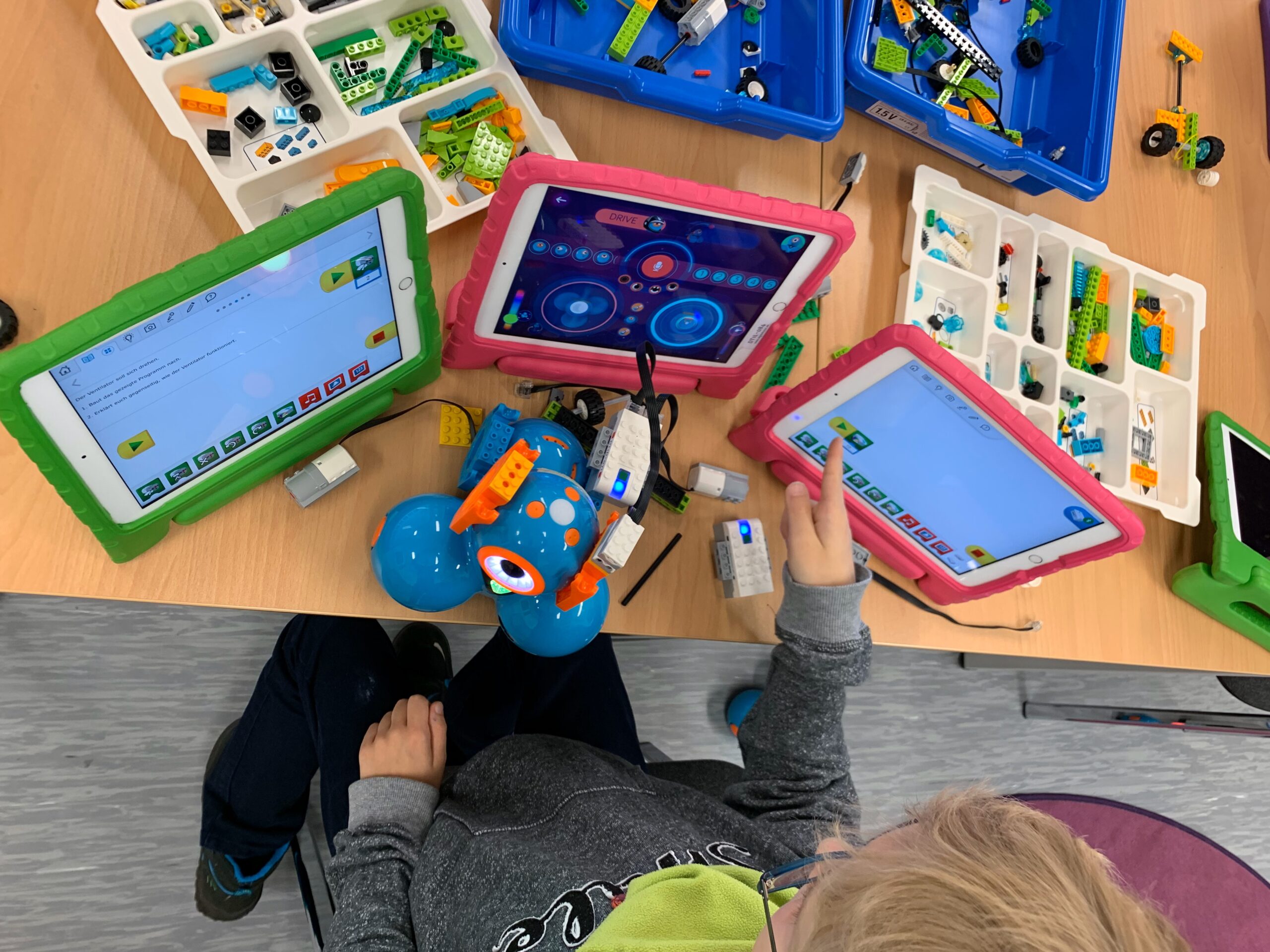
– Dash robot from Wonder Workshop with 2 LEGO connectors
– Bolt robot from Sphero with charging cradle
– Charging cable for iPad and robots

Rental period: 30.12.2021 till 08.01.2022
The robotics materials will be delivered to your home and be picked up by an employee of the Coding Club. An rental agreement has to be signed beforehand.

Requirements:

Windows PC / laptop or Mac computer
Installed Microsoft Teams
Stable Internet connection

User accounts and licenses are provided by the Coding Club.

  • Best ICT education-technology tools and learning materials available on the international market. We provide and administrate a wide range of computers, software and robotics kits. If we do not have them, feel free to propose new technologies to us for consideration.
  • Secure and child-friendly virtual classrooms for collaboration and to evaluate students progress.
  • Creation and maintenance of a pupil account, starting early for primary school pupils with licences for learning apps from Microsoft, codeSpark Academy and Minecraft Education.
  • Curated collection of recommended educationally valuable learning apps.
  • Privacy, data protection and compliance by design.
  • Parent meetings and counselling as needed.

Algorithms

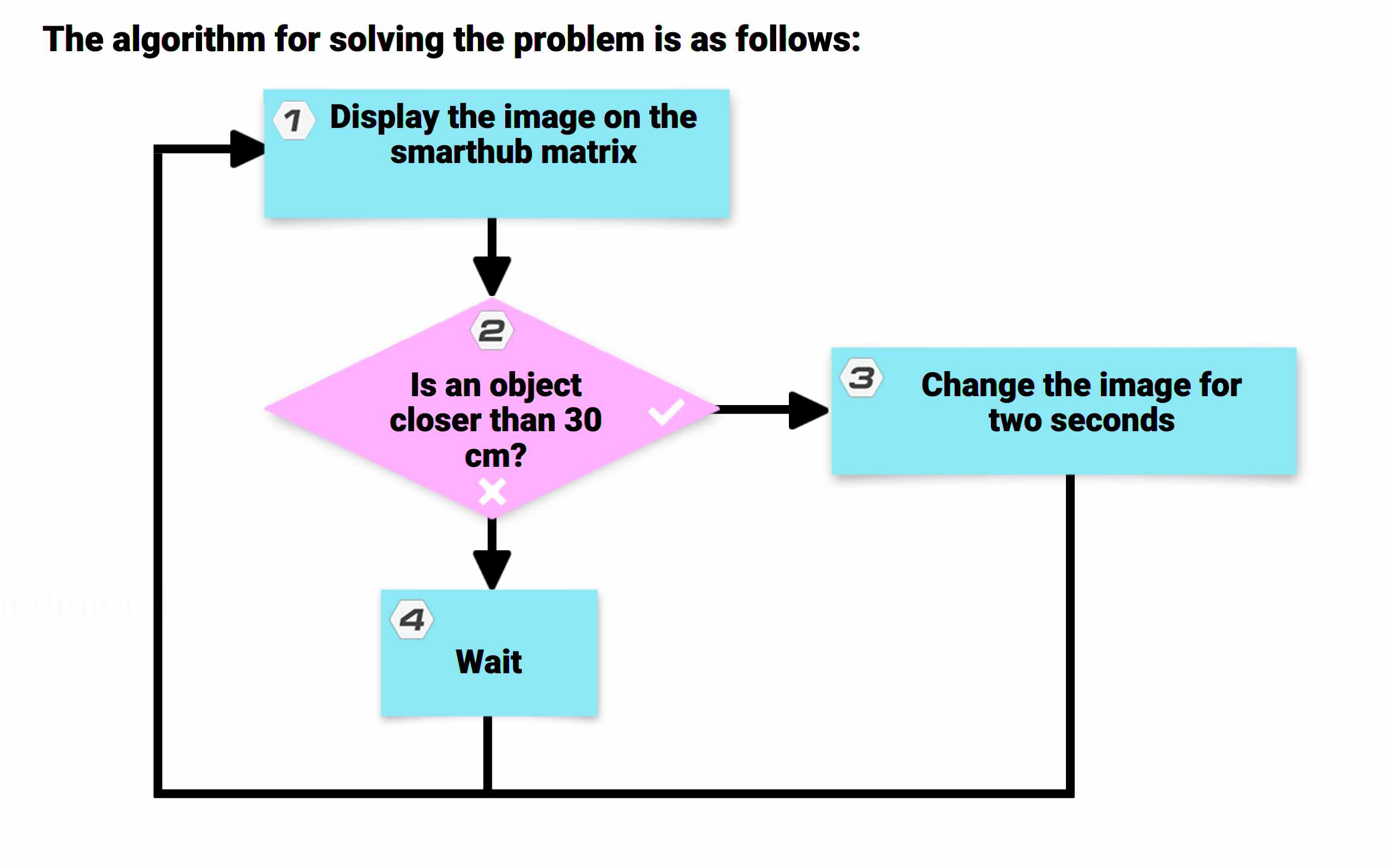
We will design Algorithms: Algorithms are recipes or instructions. The quick start guide for baking is an algorithm to make a cake:

  1. Preheat oven
  2. Cream together sugar and butter
  3. Beat in eggs
  4. Add flour and baking powder
  5. Mix all well
  6. Stir in the milk until batter is smooth
  7. Pour batter into cupcakes
  8. Put cupcakes into preheated oven
  9. Bake

To learn more about the importance of Algorithms in our world, we encourage you to watch Kevin Slavin’s presentation at TEDGlobal on “How Algorithms Shape Our World”, where he argues that we’re living in a world designed for and increasingly controlled by — algorithms.

Abstraction: Modeling, Decomposing and generalisation

A key challenge that is addressed in computational thinking is the scale and complexity of a problem.  The main technique used to manage this complexity is abstraction.  Complexity is dealt with by hiding complicated details behind a simple abstraction, or model, of the situation.  For example, a map of a train system is a simple model of a complex reality — but it is a model that contains precisely the information necessary to plan a route from one station to another.

Programming

A computational thinker is not synonymous with a Computer Programmer but programming encourages creativity, logical thought, precision and problem-solving, and helps foster the personal, learning and thinking skills required in the modern school curriculum. Programming gives concrete, tangible form to the idea of “abstraction”, and repeatedly shows how useful it is in any discipline.

Computers

Students will learn the main components that make up a computer system, and how they fit together.
Students will learn what the internet is and the principles underlying how data is exchanged via the internet.

Data Structures

Data Structures are ways of storing “stuff”.  Just as we can put “stuff” in stacks, queues (piles), heaps and buckets – you can do the same thing with data (information). One common example of a data structure, in the real world, is the Pez Dispenser.  Pez uses ‘stacks’ to store and dispense candy. Without structure to all the “stuff” we can’t use it as information to solve other issues.

Project-based Learning

First comes the project, then we have a ‘goal’ that we need to achieve, ‘tasks’ that define the actions that lead to that goal, a ‘Time frame’ that includes starting and ending points, and ‘people’ that perform the tasks during the defined period of time, in order to achieve the goals. Project-based learning is not only highly motivating but also prepares the students for the adult work processes especially in development.

Explorative Learning

Data Structures are ways of storing “stuff”.  Just as we can put “stuff” in stacks, queues (piles), heaps and buckets – you can do the same thing with data (information). One common example of a data structure, in the real world, is the Pez Dispenser.  Pez uses ‘stacks’ to store and dispense candy. Without structure to all the “stuff” we can’t use it as information to solve other issues.

Game-based Learning

Data Structures are ways of storing “stuff”.  Just as we can put “stuff” in stacks, queues (piles), heaps and buckets – you can do the same thing with data (information). One common example of a data structure, in the real world, is the Pez Dispenser.  Pez uses ‘stacks’ to store and dispense candy. Without structure to all the “stuff” we can’t use it as information to solve other issues.

Gamification

Data Structures are ways of storing “stuff”.  Just as we can put “stuff” in stacks, queues (piles), heaps and buckets – you can do the same thing with data (information). One common example of a data structure, in the real world, is the Pez Dispenser.  Pez uses ‘stacks’ to store and dispense candy. Without structure to all the “stuff” we can’t use it as information to solve other issues.

Teamwork and Collaboration

In cooperation, students strengthen their skills and competences together. They learn to work together and take responsibility. By working as a group we can bring many ideas together and come up with something bigger than what a single student would do on her own.
Collaboration often clarifies and spurs students’ thinking. Peers are often better than the teacher in explaining things so kids “get” them. In collaboration team members help each other even with little details, because students are each good at a certain part.

Agile

Data Structures are ways of storing “stuff”.  Just as we can put “stuff” in stacks, queues (piles), heaps and buckets – you can do the same thing with data (information). One common example of a data structure, in the real world, is the Pez Dispenser.  Pez uses ‘stacks’ to store and dispense candy. Without structure to all the “stuff” we can’t use it as information to solve other issues.

Design Thinking and Cycle

Design thinking is a method – or rather a way of thinking – that comes from product development (software and design) and offers many innovative approaches to developing ideas and turning ideas into reality. The method is used to develop a solution for a problem and to approach the solution step by step and in a structured way. We playfully go through the design process from the idea to the solution.

Error Culture / no blame organisation

Data Structures are ways of storing “stuff”.  Just as we can put “stuff” in stacks, queues (piles), heaps and buckets – you can do the same thing with data (information). One common example of a data structure, in the real world, is the Pez Dispenser.  Pez uses ‘stacks’ to store and dispense candy. Without structure to all the “stuff” we can’t use it as information to solve other issues.

Continuous improvement

We don’t stagnate. We learn how to succeed and improve from one point to the other. From each and every task or story that we complete, there is something good to learn. We will learn how to do things better. Every mistake is a potential for a change for the better.

The best summary of skills and competencies fostered is provided by the International Society for Technology in Education (ISTE) of which standards we follow:

  • Empowered Learner
  • Digital Citizen
  • Knowledge Constructor
  • Innovative Designer
  • Computational Thinker
  • Creative Communicator
  • Global Collaborator

The Junior Coding Club’s playful activities incorporate logical and social skills, empower student voice and ensure that learning is a student-driven process. Our curricular is a best practise blend from sources of code.org, Hour-of-Code initiative, Wonder Workshop, Scratch, Hello Ruby, Minecraft Education, CS First and from modern teamwork principles like Design Thinking and Agile Project Management.

We also consider these international and German computer science (CS) teaching standards, such as:

  • International Society for Technology in Education (ISTE)
  • Computing at School (CAS)
  • Bildungsstandards Informatik SI und SII

Information about how to prepare for the activity, especially online from home activities, will be presented right after the booking procedure. You need an account and booking the see onboarding information.

We provide your child with carefully selected education apps designed to lern computer science and computational thinking. But more, our children need to learn those things machines cannot do, even in the far future. But how will they be able to make the difference without understanding the machine? Machines should be always human-centric.

Our teaching materials do not only consist of modern computers and learning apps. We use the latest and pedagogically recommended Edutec learning materials, including haptic, tangible teaching objects and learning games. The aim is to gain initial skills in coding, robotics, informational thinking and design thinking. We use the Minecraft Education Edition for a team project or we dedicate ourselves to building robot models from the LEGO® Education WeDo or Spike Prime set. But creative learning experiences are not neglected either. Digital crayons can be used to draw and paint creatively on tablets.

We use the children’s enormous interest in digital media to develop a small project together with the pupils that they want to take forward independently. In addition to project-based work, problem-solving strategies are also important to us, especially its systematic breakdown into smaller parts towards the creation of a solution. We promote learning experiences and motivation to encourage children to work, play and learn independently.

For the Junior Coding Clubs, we use virtual spaces for teaching and teamwork, based on the Azure Cloud and Microsoft Teams. Protected accounts enable the children to take their first steps as digital citizens in a supervised and child-friendly environment – and we place a lot of emphasis on learning the right rules and manners in the teamwork of the Coding Club. The important topics of media literacy such as basics, safety on the internet and social media are addressed and practised during the operation of the learning platform.

Related products

  • Placeholder

    Robo-Girls

    Rated 0 out of 5

    120,00 € All prices stated are final prices. / month with a 2-week free trial

    Delivery Time: no delivery time (e.g. download)
    Sign up now Gift this education activity
  • Coding Club at the Frankfurt International School

    Rated 0 out of 5
    Visit the FIS Website Gift this education activity
  • Placeholder

    Autumn Camp

    Rated 0 out of 5
    Read more
  • English
  • German
© codingclub.cc 2026
Privacy, Terms & ConditionsBuilt with Storefront & WooCommerce.
  • My Account
  • Search
  • Cart 0
You're viewing: Live-Online Robot Camp – With hardware set rental 252,00 € – 360,00 €
Rated 0 out of 5
Select options

I am aware that my child's data will be collected and processed for administrative and pedagogical purposes for the Junior Coding Club learning platform and lessons. I agree that a student account will be set up for my child. I am aware that this online account is managed by Educody and is a requirement for the use of the digital educational services. This will include data send and access for my child with current and future third party providers that are outside the EU jurisdiction. I can withdraw my consent at any time under the right to object.

Photo, audio and video recordings as well as video conferences are part of the open, networked and creative lessons at the Junior Coding Club. These data are collected under media pedagogical supervision and serve to document work results or are part of the activities.

The students are generally authorised to use the photo/video function or the microphone with their work devices.

The virtual classroom and exercises with collaboration software require video conferencing networking and data. During the live online lessons of the Junior Coding Club, the video conference stream is recorded and saved by default. Saving the stream is for transparency, documentation and for internal audits or training purposes. Parents and learners can also view the recording of the lessons as a general rule. If you do not want your child to be recorded, please click the checkbox below and contact us directly: datenschutz@codingclub.cc. 
In this case, we will use our best efforts to prevent or delete recordings. Nevertheless, you must agree to this statement, as this type of learning will inevitably result in recordings being made and we cannot exclude the possibility of recordings being made of your child.

I agree that Educody GmbH may use the images and video recordings of my child, which are made during the pedagogical fulfilment of tasks, free of charge and without any restrictions in terms of content, time and place for the purposes of marketing and public relations. The operator of the Junior Coding Club, Educody GmbH, is allowed to change and/or edit the material itself or with the help of third parties without requiring additional consent from me, as long as the image/voice is not distorted by this. You may revoke your consent at any time with effect for the future. Please address your revocation to the data processor.

Ich bin darüber informiert, dass für die Junior Coding Club Lernplattform und den Unterricht Daten meines Kindes für den administrativen und pädagogischen Betrieb erfasst und verarbeitet werden. Ich bin damit einverstanden, das dafür ein Schüler-Konto für mein Kind eingerichtet wird. Mir ist bekannt, dass dieses Online-Konto von Educody gemanaged wird und Voraussetzung ist für die Nutzung der digitalen Bildungsdienste. Dabei werden auch Zugänge für mein Kind bei aktuellen und zukünftigen Drittanbietern eingerichtet, die außerhalb der EU Gerichtsbarkeit liegen. Ich kann im Rahmen des Allgemeinen Widerspruchsrechts meine Einwilligung jederzeit zurück nehmen.

Foto, Audio und Video-Aufnahmen sowie Videokonferenzen sind beim Junior Coding Club Teil des offenen, vernetzen und kreativen Unterrichts. Diese Daten werden unter medienpädagogischer Aufsicht erhoben und dienen zur Dokumentation von Arbeitsergebnissen oder sie sind Bestandteil der Übungen.

Die Schüler:innen haben grundsätzlich die Berechtigung, mit Ihren Arbeitsgeräten die Foto / Video Funktion oder das Mikrofon zu nutzen.

Der virtuelle Klassenraum und Übungen mit Collaboration Software benötigt Videokonferenz Vernetzung und Daten. Beim Live-Online Unterricht des Junior Coding Clubs wird standardmäßig der Videokonferenz Stream aufgenommen und gespeichert. Die Speicherung des Streams dient der Transparenz, zur Dokumentation und für interne Audits oder für Trainingszwecke. Eltern und Lernende können die Aufnahme des Unterrichts grundsätzlich auch einsehen. Wenn Ihr Kind nicht aufgenommen werden soll, klicken Sie bitte die untere Checkbox und sprechen uns direkt an: datenschutz@codingclub.cc


In diesem Fall werden wir nach besten Wissen und Gewissen Aufnahmen verhindern oder löschen. Trotzdem müssen Sie dieser Erklärung zustimmen, da bei dieser Art des Lernens zwangsläufig Aufnahmen entstehen und wir nicht ausschließen können, das Aufnahmen von Ihrem Kind gemacht werden.

Ich bin damit einverstanden, dass die Bildaufnahmen und Videoaufnahmen von meinem Kind, die während der pädagogische Aufgabenerfüllung entstehen, von Educody inhaltlich, zeitlich und örtlich unbeschränkt unentgeltlich verwendet werden dürfen für die Zwecke des Marketing und der Öffentlichkeitsarbeit. Dem Betreiber des Junior Coding Clubs, Educody GmbH, ist es gestattet, das Material selbst oder mit Hilfe Dritter zu verändern und/oder zu bearbeiten, ohne dass es einer zusätzlichen Einwilligung meinerseits bedarf, soweit das Abbild/Stimme hierdurch nicht entstellt wird. Sie können Ihre Einwilligung jederzeit mit Wirkung für die Zukunft widerrufen. Ihren Widerruf richten Sie bitte an den Datenverarbeiter.

  • English
  • Deutsch (German)